

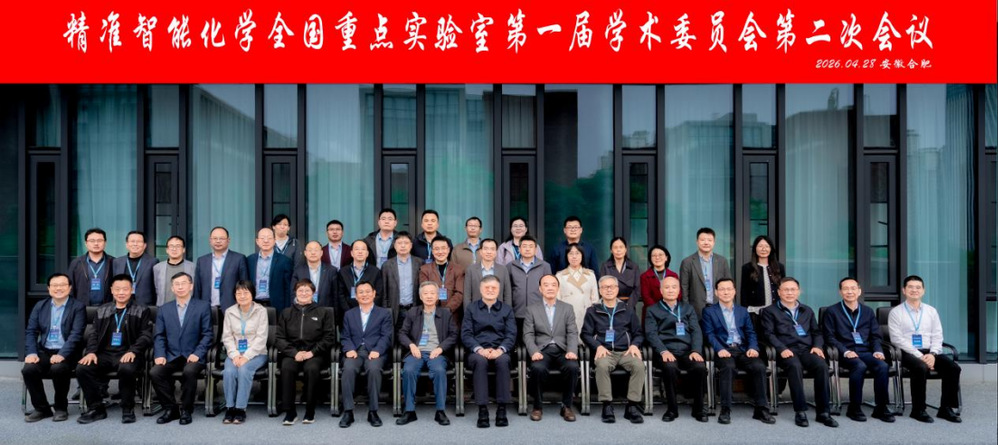
On the afternoon of April 28, the second meeting of the First Academic Committee of the State Key Laboratory of Precision Intelligent Chemistry was successfully held at the University of Science and Technology of China (USTC). The meeting invited a total of 22 experts from the Academic Committee and the Advisory Committee, including 15 academicians of the Chinese Academy of Sciences and the Chinese Academy of Engineering. Attendees included Yao Qun, Deputy Director of the Department of Science and Technology of Anhui Province, along with relevant leaders from the Innovation Platform Division and the Artificial Intelligence Division; leaders from the Bureau of Science and Technology Innovation Development and the Bureau of Basic Research of the Chinese Academy of Sciences; and from the supporting institution USTC, Fu Yao, Member of the Standing Committee of the Party Committee and Vice President of USTC, along with relevant leaders from the Office of Research Platforms. Laboratory Director Li Zhenyu and over 50 research core members also participated in the meeting.
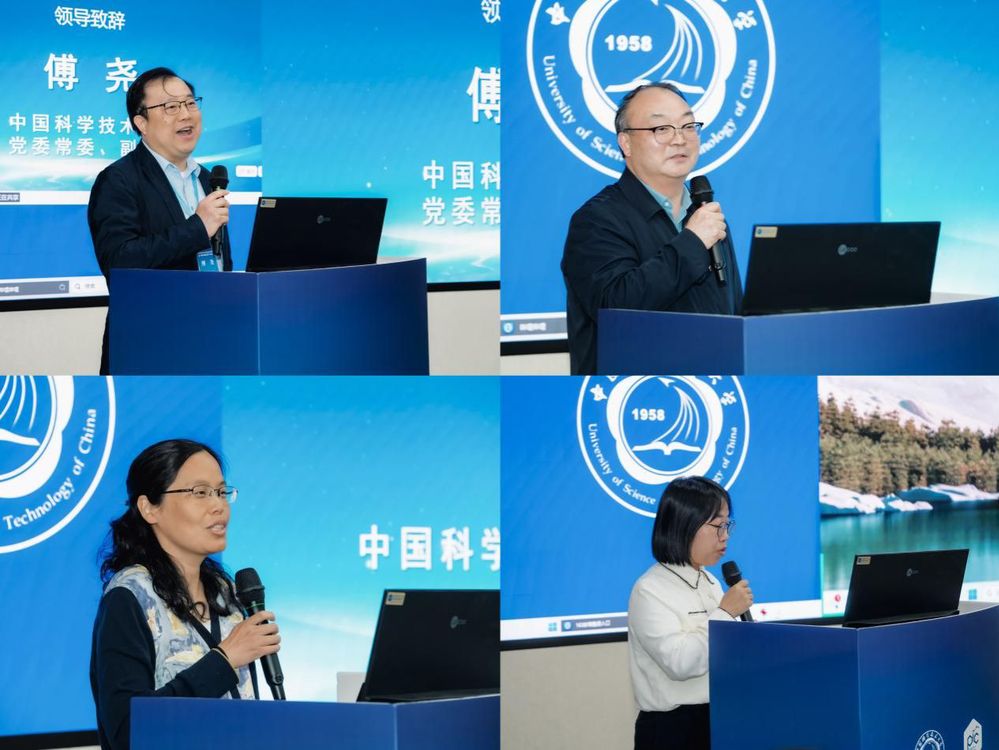
Vice President Fu Yao first delivered a welcome address on behalf of the university. He expressed sincere gratitude to all leaders and experts for their care and guidance in the construction and development of the laboratory. He noted that the university attaches great importance to the laboratory's development and will provide comprehensive support in terms of funding, research space, and platform construction, laying a solid foundation for the laboratory's long-term growth. This meeting not only reviews the past year's work but also serves to prepare for the laboratory's 15th Five-Year Plan and the evaluation of national key laboratories. He looked forward to the experts' valuable advice in steering the laboratory toward high-quality development.
Deputy Director Yao Qun stated in his address that the Party and the state attach great importance to the construction of national strategic scientific and technological forces, granting Anhui the strategic mission of becoming a significant source of scientific and technological innovation. Anhui has always placed scientific and technological innovation at the core of its development agenda and fully supports the construction and development of national key laboratories. The State Key Laboratory of Precision Intelligent Chemistry is pioneering a new research paradigm of artificial intelligence + chemistry and serves as a benchmark for high-level scientific and technological innovation platforms in the province. The Department of Science and Technology will continue to strengthen policy support and resource coordination, helping the laboratory focus on core tasks, accelerate the translation of achievements, support the development of new productive forces through technological innovation, and contribute more Anhui strength to the nation's goal of achieving high-level self-reliance and strength in science and technology.
Associate Research Fellow Jiang Fang introduced relevant measures of the Chinese Academy of Sciences in the construction of key laboratories. She urged the laboratory to align with evaluation requirements, systematically identify its strengths and highlights under the guidance of the experts, and leverage support from all sides to build the laboratory successfully. Deputy Director Yao Jingjing expressed hope that the laboratory would firmly grasp its first-mover advantage, deepen the integration of AI and chemistry, prepare thoroughly for the evaluation and assessment, and produce more key original achievements. The Bureau of Basic Research will fully support the laboratory's development.
In the work report session, Professor Li Zhenyu, Director of the laboratory, presented a comprehensive report covering the laboratory's overview, recent construction progress, and future development plans. Following that, several young research core members reported on their respective work. During the meeting, a new book titled *Precision Intelligent Chemistry* was released. The book systematically summarizes the laboratory's academic achievements and practical outcomes in disciplinary development, theoretical innovation, and technological breakthroughs, providing an important theoretical reference and paradigm guidance for future research innovation and talent cultivation in the field.
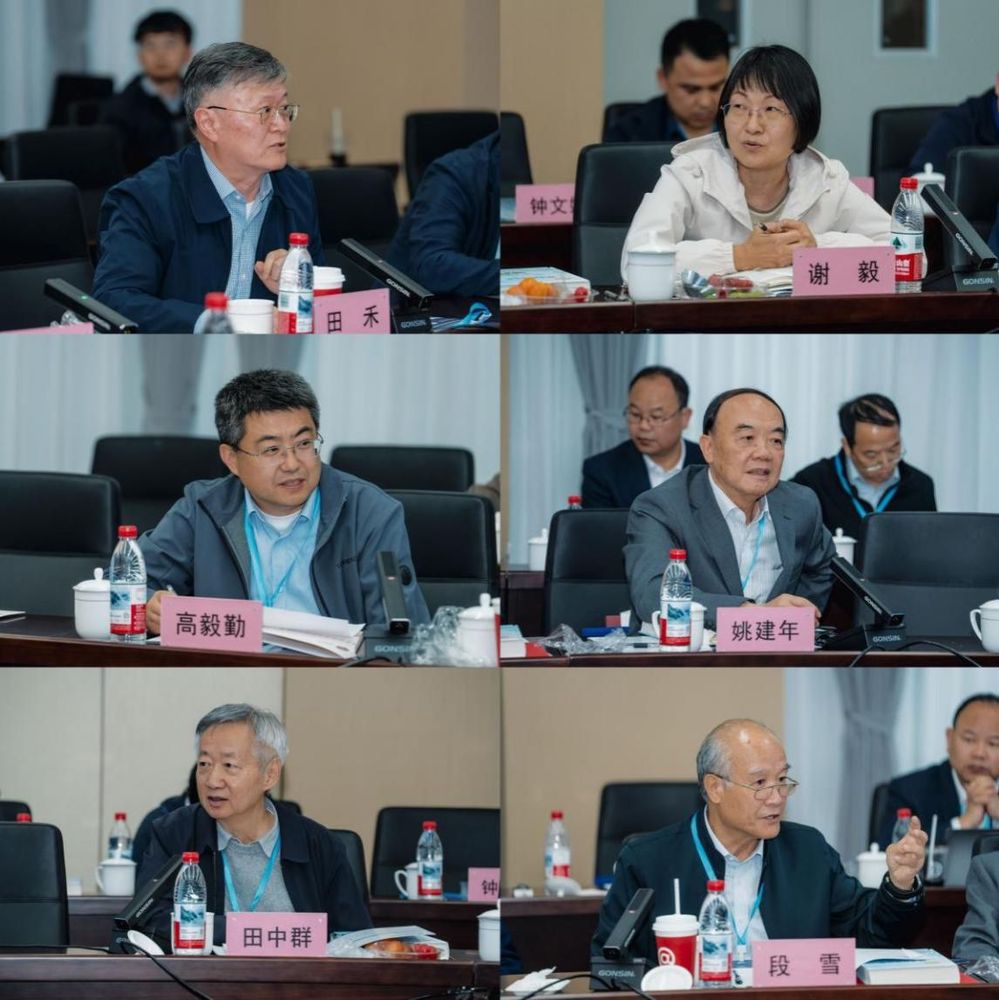
The attending experts fully affirmed the laboratory's achievements, noting that it has clear directions, distinctive features, and rapid progress. They highlighted unique advantages in areas such as AI-driven precision computing, the robotic chemist platform, and the integration of automated experiments with theoretical simulations, demonstrating strong development potential and innovation vitality. The experts offered suggestions and recommendations for the laboratory's future development in areas including laboratory evaluation, innovation in research paradigms, and collaborative breakthroughs in core technologies. They expressed hope that the laboratory would continue to focus on national strategic needs and major scientific questions, consistently produce more landmark achievements with international impact, and make even greater contributions to disciplinary development and national strategic priorities.